
3 Reasons Why You Need Data Storage Solutions

Data is becoming larger than ever. According to Sagiss, the world’s data will grow by 50X in the next decade. In essence, this means there will be an ever-growing cost for data. What does this means for technology and business leaders? It's increasingly important to manage and control the size, storage, cost, and recovery systems of data in order to run a business with optimized control and minimized costs.    
 

Keeping Up With Amazon Web Services

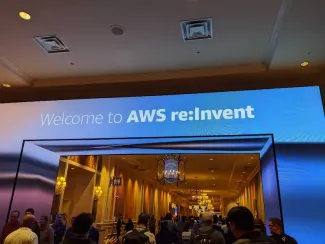
Even for someone who works with Amazon Web Services (AWS) on a daily basis, the pace and scale of new announcements coming from AWS can be daunting. For example, in 2016, AWS made 640 announcements covering a range of topics from price drops, new services, and even new features to existing services. We are only three-quarters of the way through 2017 and AWS has already exceeded that number and still going strong with re:Invent (Amazon's annual conference for all things AWS, with features keynote announcements, training and certification opportunities) still six weeks away.

AWS Best Practices: 3-Tier Infrastructure

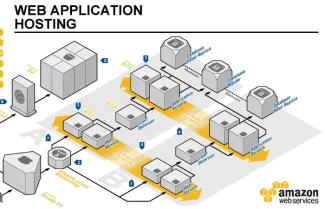
The three-tier architecture pattern has been an established best practice for decades. By separating infrastructure into layers, each is inherently more secure and flexible. In the cloud, the same design principles apply. This article focuses on the core principles of the three-tier web application architecture pattern on AWS, including availability zones, load balancers, route tables, gateways, autoscaling groups, and databases.

AWS Best Practices: Tagging

Optimizing AWS Resource Management Through Tagging: A Comprehensive Guide


Tagging in AWS is a foundational practice that enhances visibility, cost control, and operational efficiency across your cloud environment. Whether managing a single application or a vast multi-account architecture, implementing a consistent tagging strategy enables better governance, automation, and cost accountability.


What Are AWS Tags?

Newsletter Sign Up