
Cost Optimization Insights & Guides

Cloud cost optimization is about more than cutting spend. Done well, it improves the economics of your cloud environment by eliminating waste, increasing resource efficiency, and aligning infrastructure costs with the value your applications and services deliver—without sacrificing performance, reliability, or security.

The articles below cover practical strategies for optimizing AWS costs, including rightsizing, Savings Plans and Reserved Instances, storage optimization, anomaly detection, FinOps practices, cost allocation, and architecture decisions that influence long-term spend.

Stratus10 helps organizations build more efficient cloud environments and make better-informed decisions about where and how they spend.

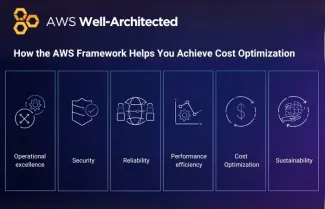
How to Achieve Cloud Cost Optimization with the AWS Well-Architected Framework

Introduction


An important pillar of the AWS well-architected framework, cost optimization is one of the most popular, and pertinent objectives in cloud computing today. This article covers the principles of cost optimization and technical must-do’s to achieve a cost optimized infrastructure.
 

Definition of cost optimization

Cost optimization means delivering business outcomes at the lowest price point possible.

Effective AWS Cost Optimization: Tools, Tips & Best Practices for 2025

Optimizing AWS costs is crucial for reducing expenses and maximizing cloud investment value. 

This guide covers top tools, practical tips, and best practices for AWS cost optimization. 

You’ll learn key principles, pricing models, management tools, and advanced techniques to manage cloud costs effectively.
 

Key Takeaways
 

  • AWS cost optimization enhances resource utilization and aligns spending with business outcomes, contributing to profitability.

The Security vs. Cost Conundrum - Is Your Cloud Data "Secure Enough"?

"Secure enough" may be a controversial perspective, but let's face it - many, many, many cloud customers are simply putting off security due to hotter priorities. If we can intentionally arrive at a state of "secure enough," this implies a lot of positives, namely: we've assessed overall security posture, explored costs and feasibility, implemented measures, given a stamp of approval (for now), and established an incremental improvement plan.
 

Newsletter Sign Up