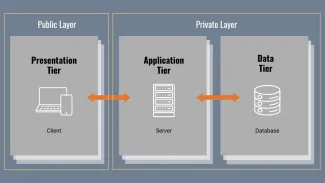
AWS Best Practices: Components of the 3-Tier Architecture
While an infrastructure can, in theory, have any number of tiers, by far the most common pattern is the 3-tier architecture.
This article describes:

While an infrastructure can, in theory, have any number of tiers, by far the most common pattern is the 3-tier architecture.
This article describes:

Now that most have recovered from the hangover of the PetyaWrap ransomware attacks, it is Monday morning quarterback time. PetyaWrap was not a new ransomware with a zero day vulnerability, but rather a combination of three common vectors of attack that companies do not always take seriously. But securing your assets go beyond just your servers (aka EC2 instances); you also need to ensure your AWS Account is equally as secure.
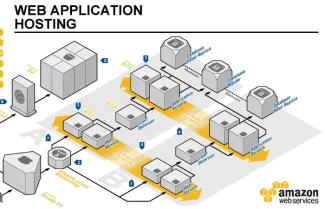
The three-tier architecture pattern has been an established best practice for decades. By separating infrastructure into layers, each is inherently more secure and flexible. In the cloud, the same design principles apply. This article focuses on the core principles of the three-tier web application architecture pattern on AWS, including availability zones, load balancers, route tables, gateways, autoscaling groups, and databases.