
No Servers Needed: Host a Static Website with Amazon S3 and CloudFront

Hosting a website typically requires having a server to host it on, and if you need your website to handle a lot of traffic you will need multiple servers. However, if you have a static HTML website that does not require any data storage or dynamic content you can host it on Amazon S3 without having to pay for, or worry about, having any servers. In addition, you can use AWS’ Content Delivery Network, CloudFront, to make sure your website can handle a lot of traffic.


Kubernetes Best Practices: 7 Practical Guidelines for Production Clusters

Kubernetes is the default choice for running containers in production. That part isn’t debatable anymore.

What is debatable is how well most teams implement it.

Kubernetes gives you a lot of power. It also gives you a lot of rope. The difference between a clean, stable cluster and a fragile one usually comes down to a handful of operational decisions made early on.

Here are 7 Kubernetes best practices that tend to hold up in real environments.
 

App modernization: It’s a lot easier than you might think

Contrary to popular belief, application modernization is not the daunting task that it once was. Thanks to a variety of newly advanced services and tools available today, modernizing your applications utilizing containers and serverless infrastructure can be quick, easy, and stress-free. And by taking advantage of cloud migration and modernization tools, companies such as DraftKings, FileForce, and Expedia are experiencing lower costs and higher profits.   
 

AWS Updated Security Tools + Technologies

The cloud has been embraced for its reliability and scalability, as well as a breadth of security benefits. However, just because the cloud can be more secure, organizations aren't guaranteed protection from data breaches and security threats. This article dives into how companies can protect themselves and mitigate damage from a variety of security threats.      
 

AWS X-Ray Application Performance

Overview of AWS X-Ray Monitoring


The Key to Efficient Debugging for DevOps Teams

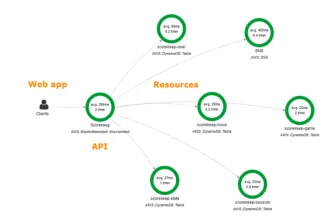
It’s no secret that DevOps teams must be able to quickly and efficiently debug issues in their operational environments, and a key metric in the maturity and quality of the DevOps team is the time it takes them to identify and resolve production issues. Application Performance Monitoring (APM) is a key component to this capability, and AWS X-Ray gives DevOps teams all of the features of a leading APM solution in an easy to implement managed service.

How DevOps Teams Automate with AWS CodeStar

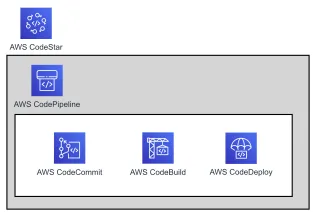
DevOps teams share one common goal: to increase the frequency and quality of application deployments. AWS CodeStar is described as the AWS service to "quickly develop, build, and deploy applications on AWS.”  DevOps teams can use AWS CodeStar to quickly set up their entire continuous delivery toolchain in minutes for more reliable deployments in consistent environments, as well as less risk of error.  

Advantages of Moving Your Applications to the Cloud

As recently as just a few years ago, business leaders worried about the unknown factors of moving their core applications to the cloud. Factors like not knowing how a particular application might work in the cloud were deterrents to what would have been optimal cloud migration, according to Tech Target. With new attention to performance metrics and understanding how their applications will scale with cloud services, organizations are finding cloud computing companies more attractive all the time.