
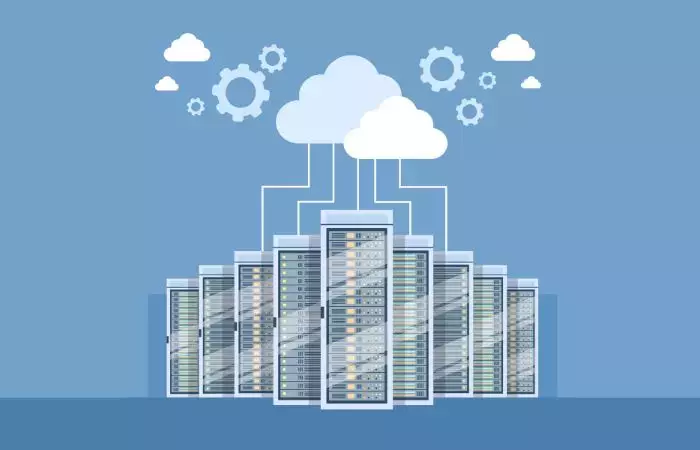
Controlling Data Center Costs with a Hybrid Cloud Strategy
Unlocking Cost Efficiency: Strategies for Balancing Data Center Expenses with Hybrid Cloud Solutions
Many small and midsize businesses (SMBs) struggle to keep IT infrastructure costs under control. Data centers, with their hefty hardware, software, and maintenance needs, can quickly become a budget black hole.
Transitioning from traditional data centers to cloud-native environments may seem like an appealing solution. However, for various reasons, this leap isn't always feasible. As someone who has transitioned from software engineering to cloud consulting, I've collaborated with numerous clients facing this dilemma. Through experience, I've learned that with the right approach, SMBs can effectively control data center expenditures while upholding the reliability and performance of their IT infrastructure.
Strategies for Data Center Cost Reduction
Efforts to curb data center costs should be strategic, prioritizing measures based on potential impact, implementation feasibility, and associated risks. Here are several strategies worth considering:
- Virtualization: While the benefits of server virtualization are widely acknowledged, optimizing virtualized infrastructure further enhances cost efficiency. Techniques such as containerization, utilization of software-based load balancers, and hybrid backup solutions contribute to maximizing resource utilization and minimizing expenses. It's worth exploring services like AWS Storage Gateway, which can significantly reduce cost and maintenance for backup hardware.
- Cloud Computing and SaaS Services: Embracing public cloud services and Software-as-a-Service (SaaS) solutions offers a pathway to mitigate on-premises hardware maintenance costs. The scalability and pay-as-you-go models of cloud providers present opportunities for cost savings and access to additional services.
- Energy Efficiency: Adoption of energy-efficient technologies and practices, including energy-efficient servers and power management systems, leads to substantial reductions in monthly energy expenditures. While initial investments and long-term returns require consideration, the benefits of energy efficiency are significant.
- Automation: Automating repetitive data center tasks, such as scaling, backups, and monitoring, optimizes operational efficiency and liberates skilled personnel to focus on strategic initiatives.
- Consolidation: Consolidating IT infrastructure components, whether storage systems or servers, reduces the hardware footprint and associated costs. Transitioning to virtual desktop solutions streamlines management and lowers expenses. Another tip would be to monitor "zombie" servers/VMs. Many companies we work with find out they have many VMs that are not being used or haven't been used in months, but they only discover it after we conduct an assessment.
- Security and Testing: Prioritizing cybersecurity measures and regular testing not only enhances data protection but also prevents costly security breaches and compliance violations.
- Outsourcing: Leveraging specialized service providers for specific IT functions, such as security and data storage, capitalizes on expertise and economies of scale, reducing the burden of in-house maintenance.
By adopting a combination of these strategies, businesses can devise a comprehensive approach to data center cost reduction. Cloud computing, in particular, presents multifaceted opportunities for cost optimization, emphasizing the importance of a well-defined cloud strategy.
Embracing Hybrid Cloud Strategies: Building a Strategy Around On-Premises Infrastructure
While the cloud offers significant cost savings, a "cloud-only" approach is often an oversimplification. The "cloud-native" push by public cloud providers is enticing, but a hybrid cloud strategy is often the most suitable path for many businesses.
There are several reasons why business leaders might hesitate to move entirely to the cloud. Firstly, they've invested heavily in building and maintaining their data centers. Secondly, security and privacy concerns may arise as they prepare to move sensitive data to a third-party provider. Additionally, planning and implementing a cloud migration is a major undertaking requiring leadership buy-in, upfront investment, shifting priorities, skilled resources, and staff training.
Finally, while some cite vendor lock-in as a concern, mirroring the limitations of traditional physical infrastructure, this is a misconception. The only way to truly be cloud-agnostic is to use the cloud as a data center, avoiding the usage of native tools, and therefore missing out on the benefits of the cloud.
The Rising Trend of Hybrid Cloud Adoption
A hybrid cloud model offers a natural and effective strategy, allowing companies to seamlessly transition to the cloud at their own pace. This approach involves carefully selecting workloads for migration and optimizing existing environments before taking the plunge. Public cloud services can further enhance on-premises workloads and data by extending scalability, reliability, and cost-effectiveness benefits. And with services like AWS Outposts, which
bring a portion of the AWS infrastructure/services on-prem, companies can leverage the benefits of cloud tools and services directly in their data center.
As companies evolve and grow, their cloud needs change. A hybrid infrastructure model offers the flexibility to adapt to these changes while maintaining consistency in the overall approach. Recognizing the combined benefits of a hybrid cloud infrastructure, businesses are increasingly choosing this strategic path. They gain the advantages of scalability, flexibility, and cost-efficiency from the public cloud while retaining control over their private infrastructure.
eBook: Accelerate Your AWS Migration >>
To learn more about how you can optimize your hybrid IT environment, get in touch with a Stratus10 cloud expert today!
Call us at 619.780.6100
Email us at sales@stratus10.com
Fill out our contact form
Read our customer case studies
Explore our AWS consulting services
Published 3/29/2024